Cachar Cancer Hospital and Research Centre
Silchar, Assam, India
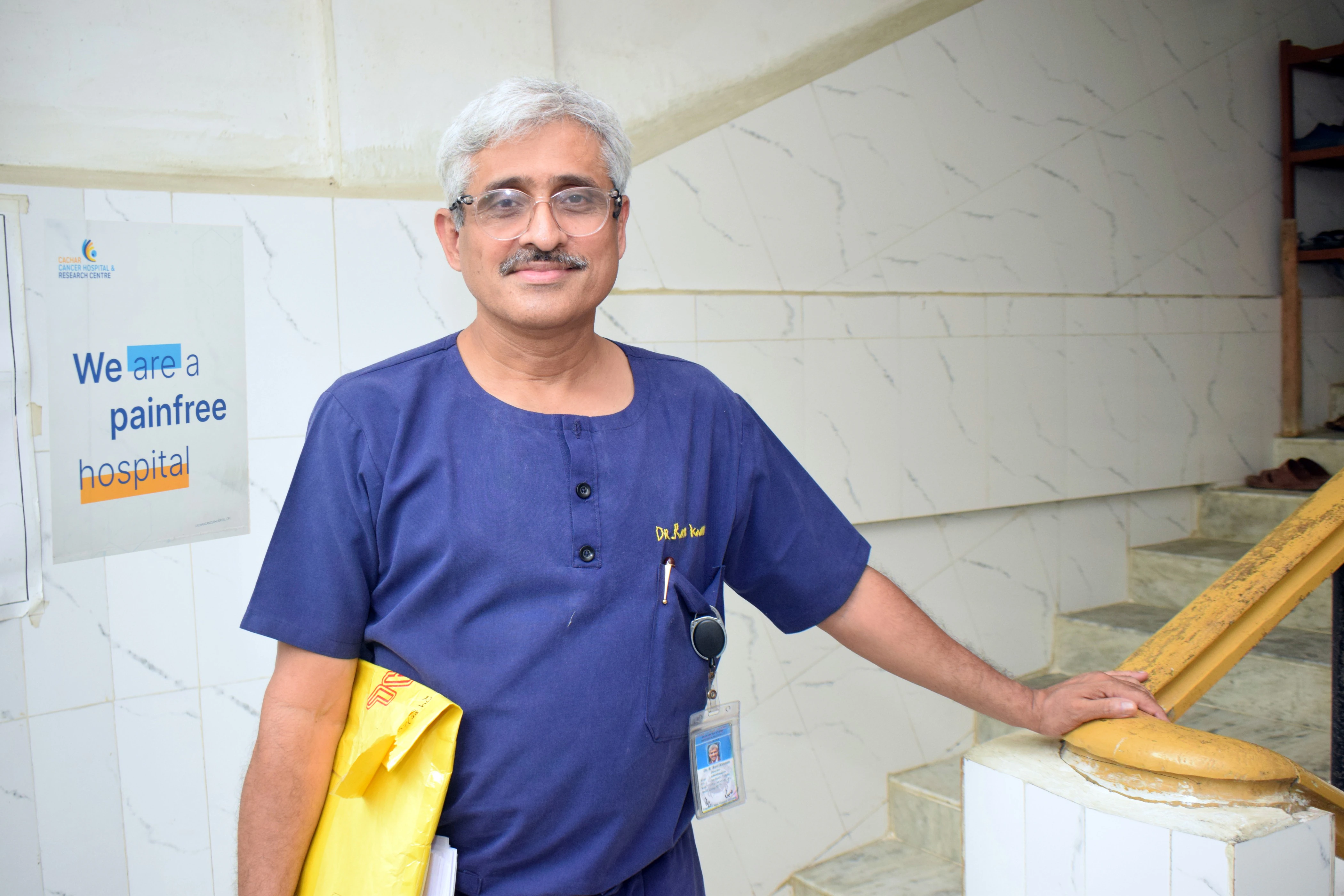
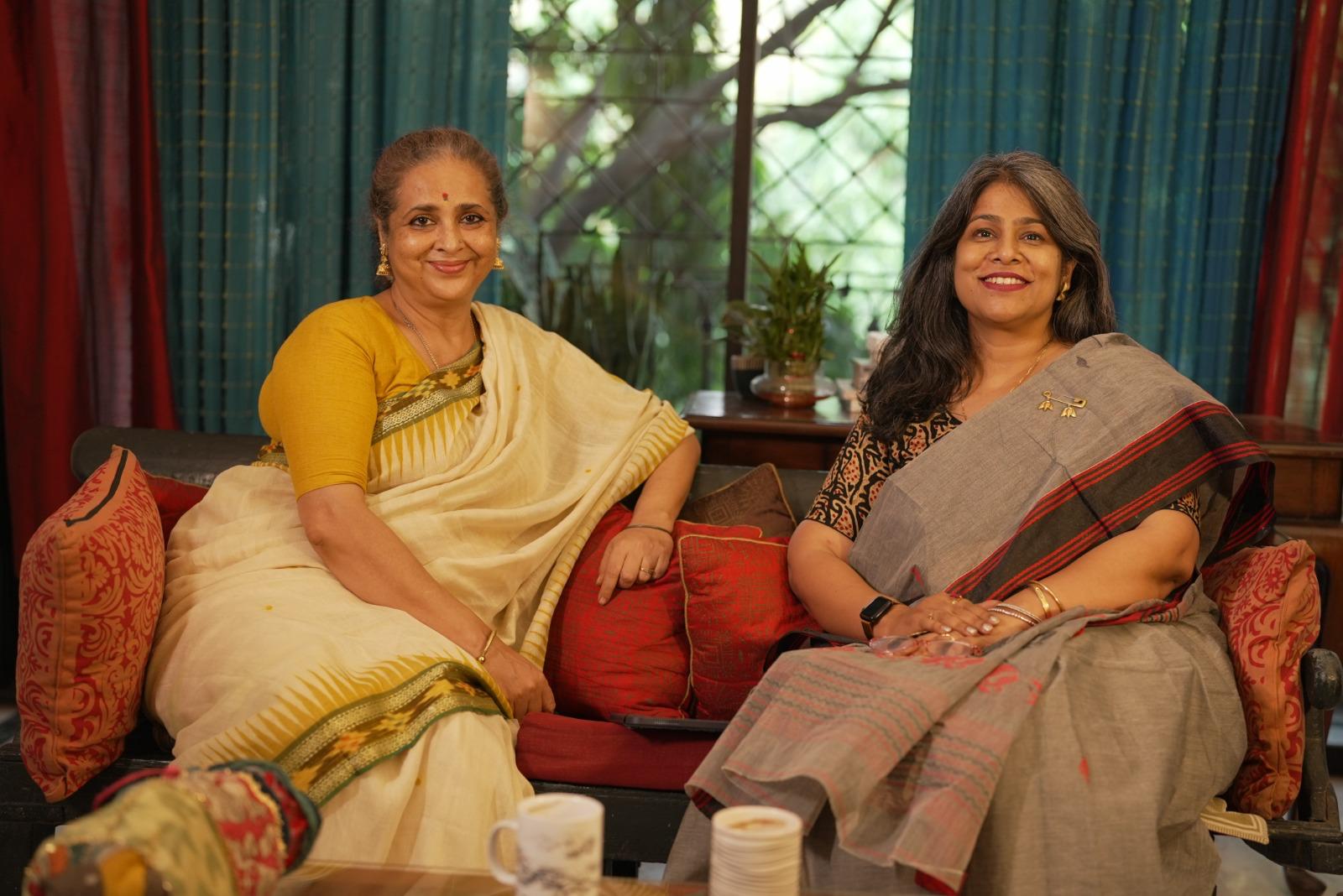
A partnership with Padma Shree and Ramon Magsaysay awardee Dr. Ravi Kannan and the team at Cachar Cancer Hospital and Research Centre, beginning in 2021 and continuing today.
She brings rigour, warmth, and a rare ability to create lasting organisational change. Our people now genuinely live these values. They are not words on a wall.
Most coaching case studies are about transformation in places where coaching is expected. The boardroom of a tech company. The leadership team of a global bank. The founder of a venture-backed firm.
This case is about coaching in a place coaching had never been. A rural cancer hospital in Silchar, Assam, serving some of India's poorest patients, led by a doctor whose own honours include Padma Shree and Ramon Magsaysay. A workforce of nurses, technicians, doctors, administrative staff, and support staff, most of whom had never heard of professional coaching before this engagement began.
Four years later, the same ICF Core Competencies that serve a Fortune 500 CXO have served a nursing supervisor in Assam. The hospital writes its own anthem about pro-poor patient care. Funding is being raised for an eco-village rehabilitating destitute women with psychiatric illness. A leadership team that was already extraordinary has become more so.
This is what Coaching for All looks like when one practitioner decides to live it.
The introduction came through Naresh Purushotham, a long-time sponsor of Sharmi Roy's coaching work and the Chief Mentor of CrestPoint Consultants India. Naresh has referred senior leaders and L&D professionals to Sharmi for over a decade. The Cachar referral was different.
Dr. Ravi Kannan had spent three decades transforming Cachar Cancer Hospital from a small district facility into one of India's most respected cancer care institutions, with a model of pro-poor patient care that brought him India's two highest civilian honours for service. By 2021, the hospital was scaling, the pandemic was reshaping how healthcare staff coped with sustained loss, and Dr. Kannan was carrying the weight of an institution whose mission depended on his individual capacity to keep going.
What he needed was not advice. What he needed was thinking-with-someone. Coaching at the level of someone who carried as much as he did.
Sharmi began as his coach in 2021. Four years later, she still is.
The work began as 1:1 executive coaching for Dr. Kannan. The conversations covered what executive coaching at the highest level always covers: leadership presence, decision-making under uncertainty, succession thinking, the personal cost of mission-driven leadership, and the questions a leader can only ask in a confidential coaching relationship.
What was different was the context. Most executive coaching engagements are paid for by the organisation as a leadership investment. This one was rooted in a leader whose institution could not have afforded conventional executive coaching rates. The coaching happened anyway, because the work was needed.
The coaching continues. Four years in.
By mid-2021, the pandemic was wearing down healthcare workers worldwide, and nowhere more so than in cancer hospitals where staff were holding sustained grief alongside acute medical pressure. At Cachar, the nursing supervisors were carrying the floor.
Sharmi designed and delivered a Managing Self programme for the nursing supervisor cadre. The programme integrated coaching presence, applied neuroscience for stress regulation, embodied practices for sustained attention under pressure, and group reflection on the specific weight of cancer care nursing during a pandemic.
The programme was not a course about leadership theory. It was about how to keep going. How to come home to yourself after a shift. How to stay present with patients without losing yourself in their suffering. How to lead a team of nurses who were equally exhausted.
The same ICF Core Competencies that serve a Fortune 500 CXO served the nursing supervisor cadre at Cachar. The mechanism is the same. The depth required was, if anything, greater.
By 2022, the hospital was ready for a wider engagement. Cachar had stated values about pro-poor patient care, dignity, and service. Most organisations have stated values. Most stated values do not show up in actual behaviour at the floor level.
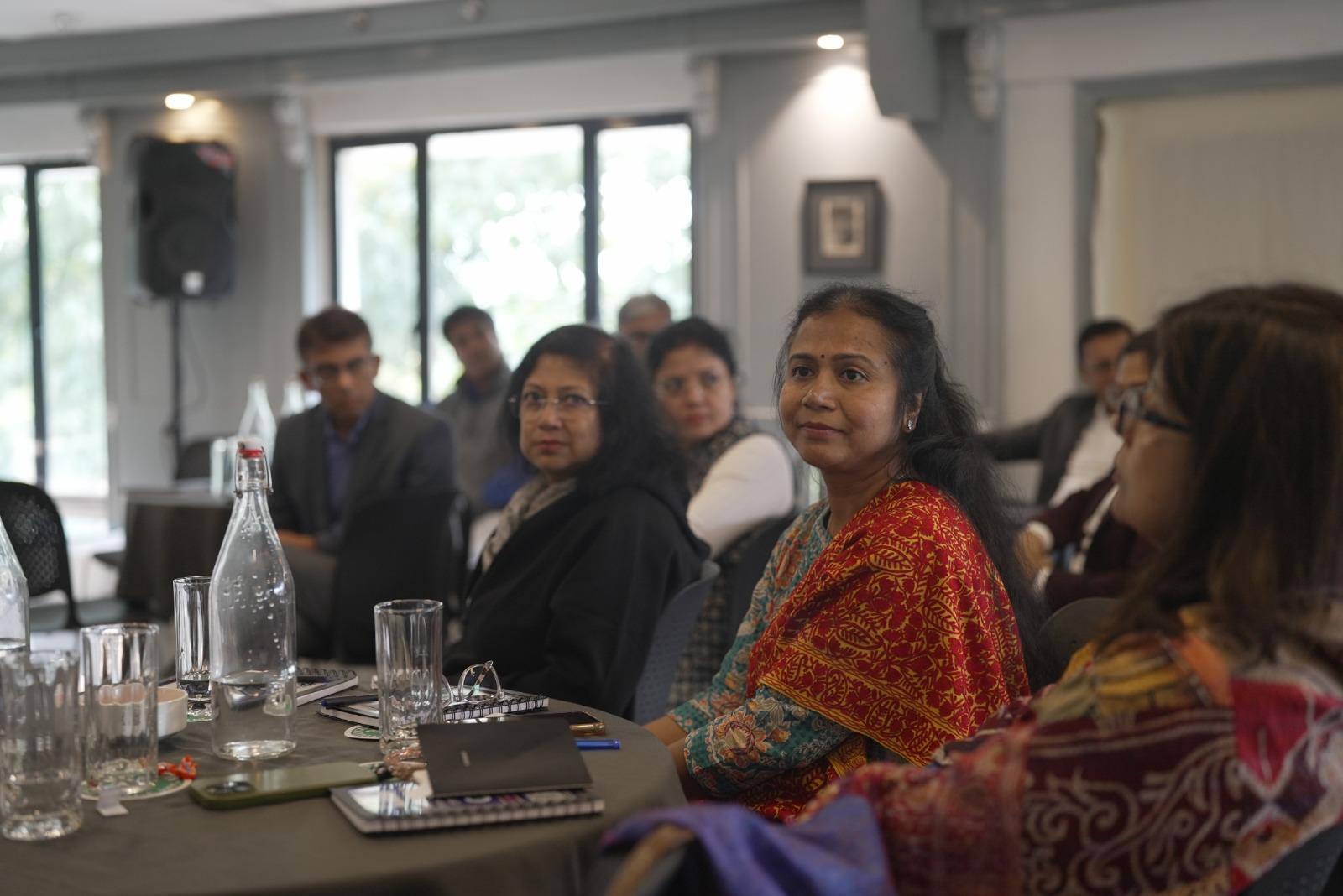
Sharmi designed a nine-month values-to-behaviours journey across the full hospital workforce. The programme worked through every level: senior leadership, department heads, supervisors, frontline clinical staff, administrative staff, and support staff. The methodology integrated values clarification, behavioural translation, peer accountability, and embodied practices that made the values experienceable rather than memorisable.
By the end of the programme, the staff had done something most organisations never do.
They wrote their own anthem about pro-poor patient care.
The anthem was not a corporate song commissioned from a consultant. It was the staff's own articulation, in their own words, of what they had collectively committed to. The hospital sings it now. Patients who arrive hear it. Staff who join hear it. The values became audible.
Employees Reached
Months Journey
By 2024, the hospital's leadership team needed sustained team-level support. Dr. Kannan's senior doctors and clinical leaders were navigating the hospital's expansion and the leadership development that scale requires.
Conventional consulting logic would have had Sharmi extend her engagement to coach the senior team. She had been Dr. Kannan's coach for three years. She knew the institution. She had the relationships. The work was hers to do.
She stepped back.
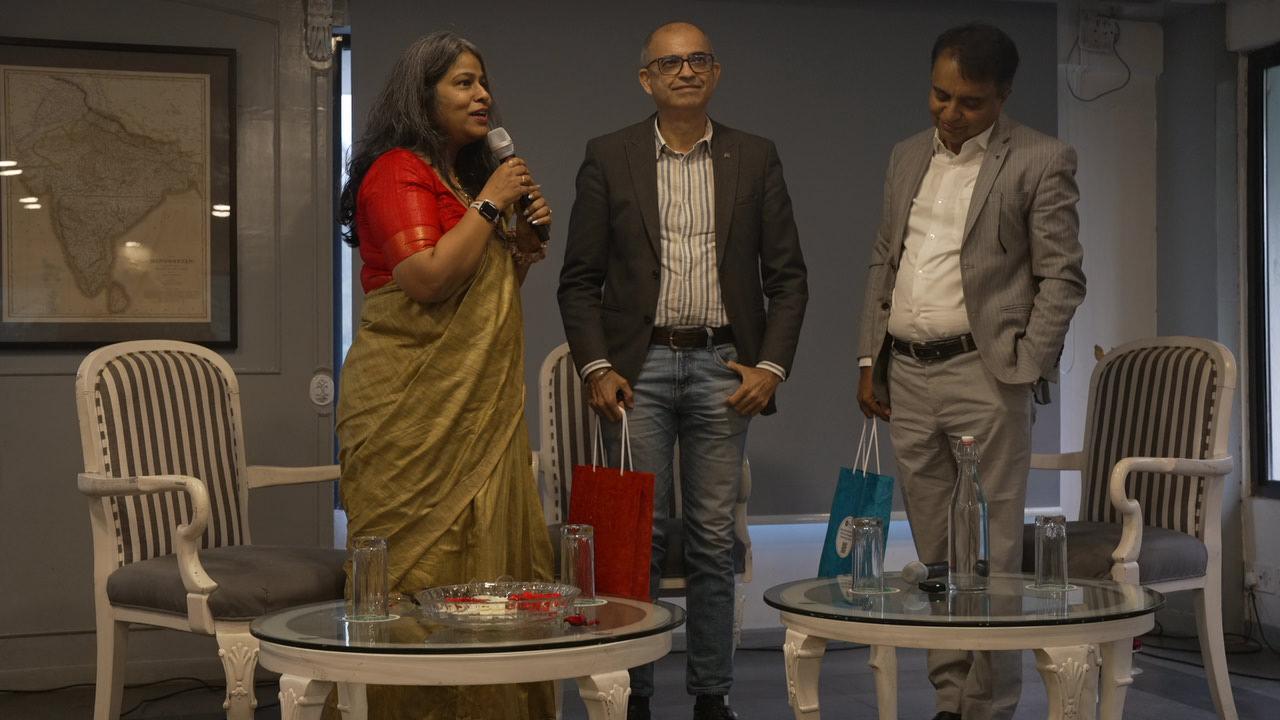
As Founding President of ICF Kolkata Chapter, Sharmi convened 19 credentialed ICF Kolkata coaches behind a single mission: strengthening leadership at Cachar Cancer Hospital. The Ignite Project assigned individual ICF Kolkata coaches to coach Dr. Kannan's senior team members, while Sharmi continued to coach Dr. Kannan himself.
The reason for the handoff was ethical, not logistical. Coaching the Director and his direct reports simultaneously would have compromised the confidentiality and independence each coaching relationship needed. By handing the senior team to other ICF coaches, Sharmi kept her work with Dr. Kannan clean and gave the senior team the privacy of working with coaches who had no relationship to their boss.
The Ignite Project also did something else. It mobilised a credentialed coaching community in eastern India behind a shared social mission. The hospital received coaching at a depth and scale that no single coach could have provided. Nineteen ICF coaches got to do work that was professionally meaningful, ethically clean, and connected to a cause larger than their individual practices.
ICF Credentialed Coaches
Shared Mission
Mobilising 19 credentialed coaches behind a shared mission, and knowing when to step back so each coaching relationship could hold its own confidentiality, is what ethical community leadership looks like in practice.
Alongside the formal phases of the partnership, Sharmi has held developmental conversations supporting Cachar's wider mission. Dr. Kannan's vision of community healing extends beyond cancer care into broader social and rehabilitative work, and the leadership questions that arrive with that breadth need to be held somewhere.
Coaching does not replace fundraising or programme design. But coaching that holds space for a leader thinking through how to support undertakings of social healing can shape the questions a leader brings to fundraising and programme design. Some of the most important coaching at Cachar has happened in these wider conversations.
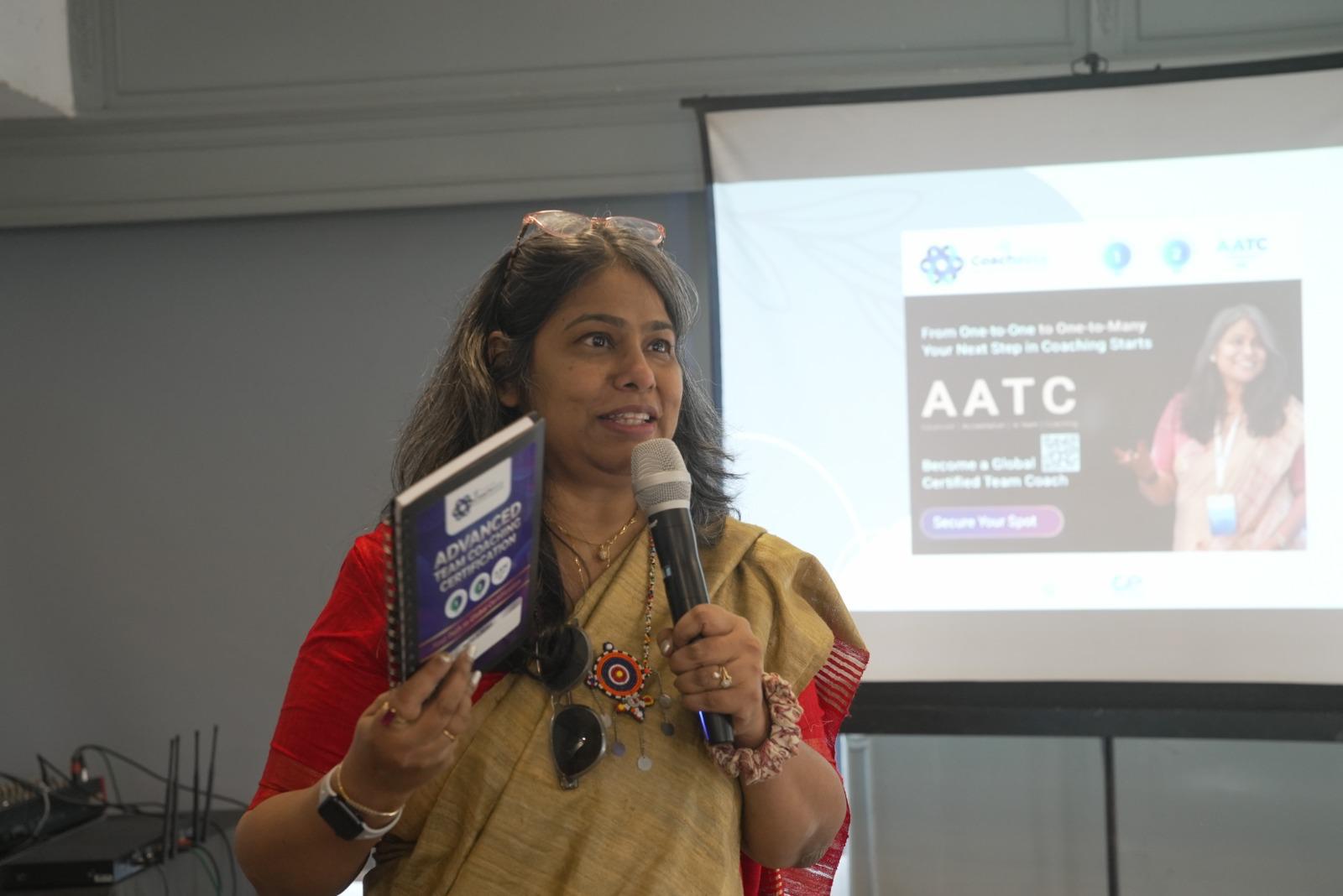
The Art To Lead YouTube channel hosts a six-episode Friends of Cachar Cancer Hospital sub-series with Dr. Kannan, extending the hospital's pro-poor mission to a wider audience. The series is a public artefact of the partnership and a way for the hospital's work to reach beyond its immediate community.
The ICF Core Competencies that serve a Fortune 500 CXO served a nursing supervisor in Assam. The coaching presence that holds a venture-backed founder held a hospital director carrying a state's cancer care.
Cachar could not have afforded conventional executive coaching rates. The coaching happened anyway. Then it grew, because the work proved its own worth.
The Ignite handoff is the move most consultants would not make. Sharmi made it because the ethics required it. The result was better coaching for the hospital and meaningful work for nineteen other coaches.
The work at Cachar is held to the same standard as any executive engagement. The same ICF competencies. The same ethical commitments. The same quality of attention. The reason it has lasted four years is that it works.
Coaching for All is not a slogan. It is the standard our work carries. Cachar is where that standard has been most thoroughly tested, and most fully met.
The conversation that became Cachar began with a discovery call. Most of our deepest work begins that way.